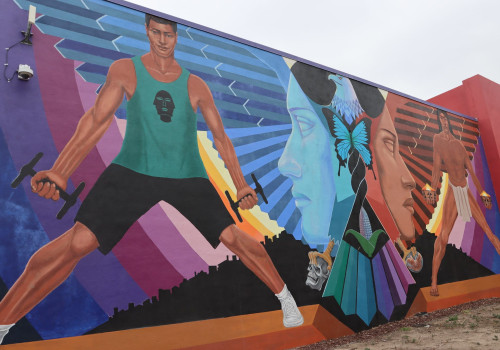
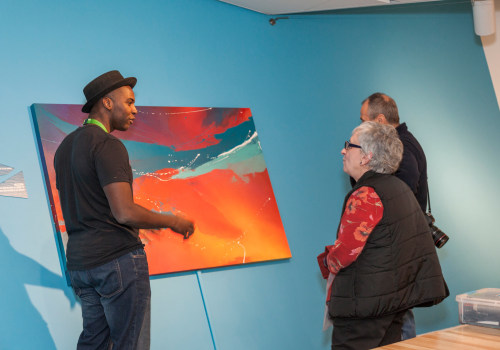
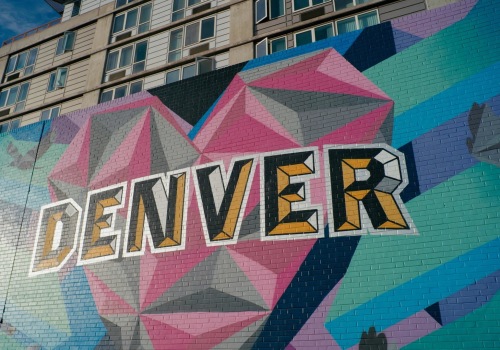
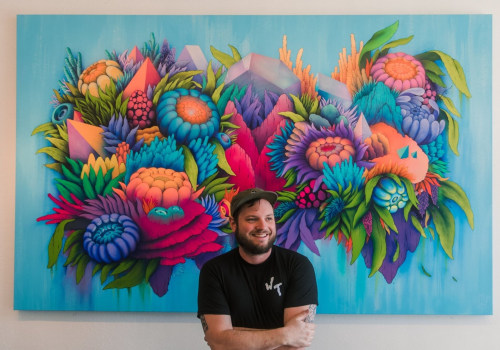
Denver artists can protect their original work while growing their creative careers by treating creativity not only as personal expression but also as a valuable business asset. Whether an artist creates paintings, digital illustrations, murals, photography, jewelry, sculptures, prints, music, fashion pieces, or mixed-media work, each original creation carries time, skill, identity, and potential income. As artists gain visibility through galleries, markets, social media, commissions, collaborations, and online shops, their work may reach more people, but it may also become easier for others to copy, repost, reproduce, or misuse without permission. This is why artists should understand the basics of ownership, licensing, contracts, and documentation before their careers expand too quickly.
Using Documentation and Clear Agreements
One of the most practical ways artists can protect their work is by keeping organized records. This may include dated sketches, digital files, invoices, contracts, email approvals, watermarked previews, certificates of authenticity, and records of where artwork has been published or sold. These materials can help show when a piece was created and how it has been used. Artists should also use written agreements for commissions, gallery placements, brand collaborations, licensing deals, mural projects, and merchandise arrangements. Clear contracts can explain payment terms, deadlines, revision limits, ownership rights, reproduction permissions, credit requirements, cancellation policies, and how the final work may be displayed or resold.
Understanding Legal Rights and Creative Growth
Legal awareness becomes especially important when artists begin turning their work into a larger business. A design used on prints, apparel, packaging, websites, or promotional materials may need stronger protection than a one-time piece. Artists may also need to understand copyright, trademark issues, licensing fees, and what rights they are giving away when signing agreements. While creative law is different from injury-related representation, firms such as Jordan Law Accident & Injury Lawyers reflect the broader importance of understanding rights, responsibilities, and legal protection before disputes become stressful or costly.
Protecting Reputation and Artistic Identity
For Denver artists, protecting original work also means protecting reputation. When artwork is copied or used without credit, it can confuse audiences, reduce income opportunities, and weaken the artist’s brand identity. Artists should be thoughtful about how they share work online, where they upload high-resolution files, and what permissions they grant to clients or collaborators. Even simple steps like adding copyright notices, using contracts, and clarifying usage rights can help prevent misunderstandings.
Building a Sustainable Creative Career
Ultimately, Denver artists can grow more confidently when they combine creativity with practical legal planning. Protecting original work does not limit artistic freedom; it supports it by helping artists maintain control over their ideas, income, and professional identity. With strong documentation, clear agreements, thoughtful licensing, and better awareness of ownership rights, artists can expand their opportunities while preserving the value of the work that makes their careers unique.